

Pakistan’s terrorism challenge is widely recognised, but its structure is still routinely misunderstood. What Pakistan faces today is not simply the resurgence of Tehrik-i-Taliban Pakistan (TTP), but the consolidation of a broader militant ecosystem that has taken shape across the Afghan border since the Taliban’s return to power in 2021. Afghan territory now provides militant networks targeting Pakistan with survivability, recruitment access, and operational depth that allow them to regenerate even under sustained pressure. The result is not a temporary surge in violence, but the persistence of a system capable of continuously producing it.
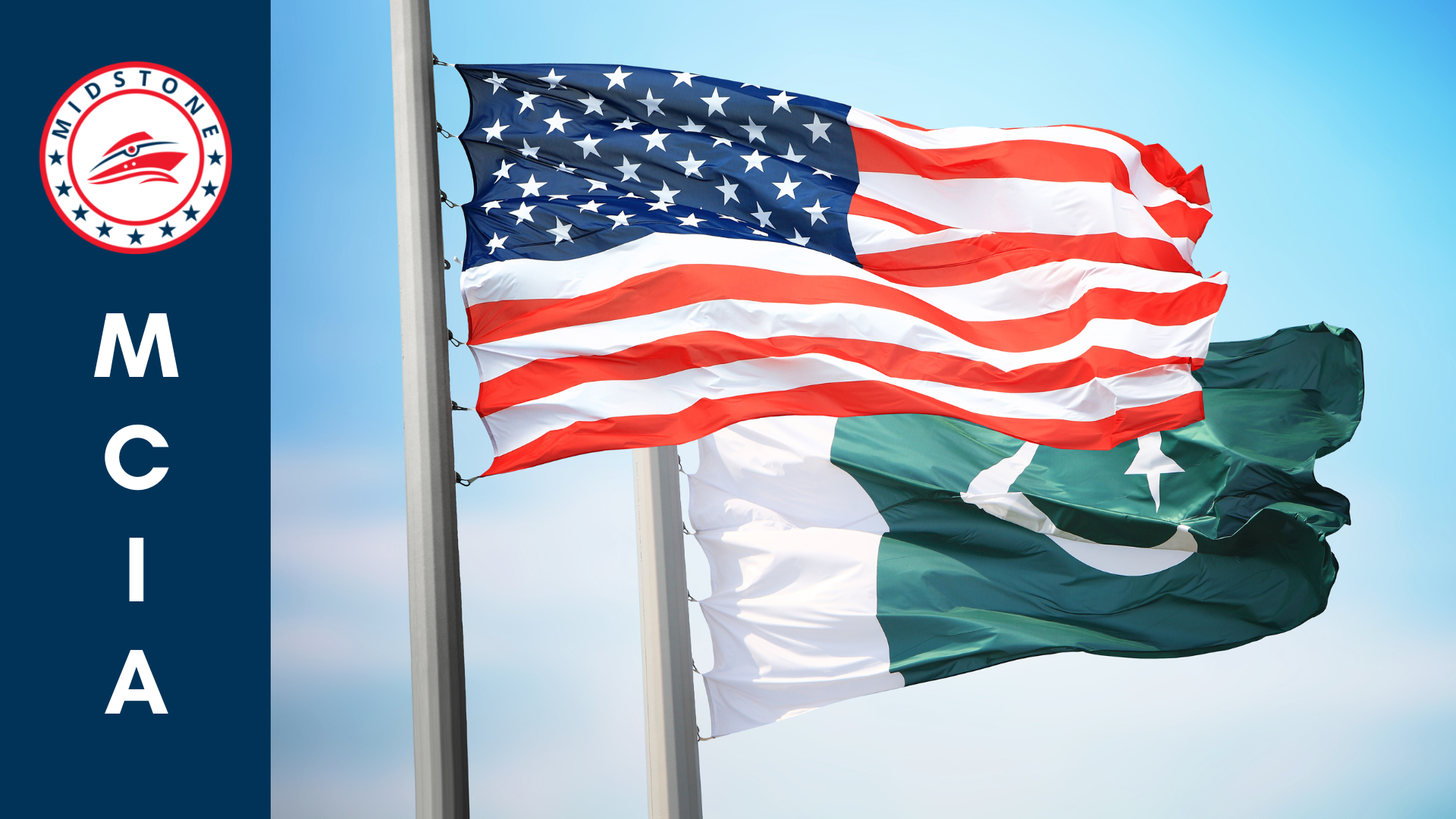
The U.S.-Pakistan Counterterrorism Dialogue, co-chaired by Ambassador Elizabeth Richard from the U.S. Department of State and Ambassador Syed Haider Shah from Pakistan, highlights the ongoing and prospective cooperation between the two nations in addressing regional and global security challenges, specifically the threats posed by Tehreek-e-Taliban Pakistan (TTP) and ISIS-Khorasan.
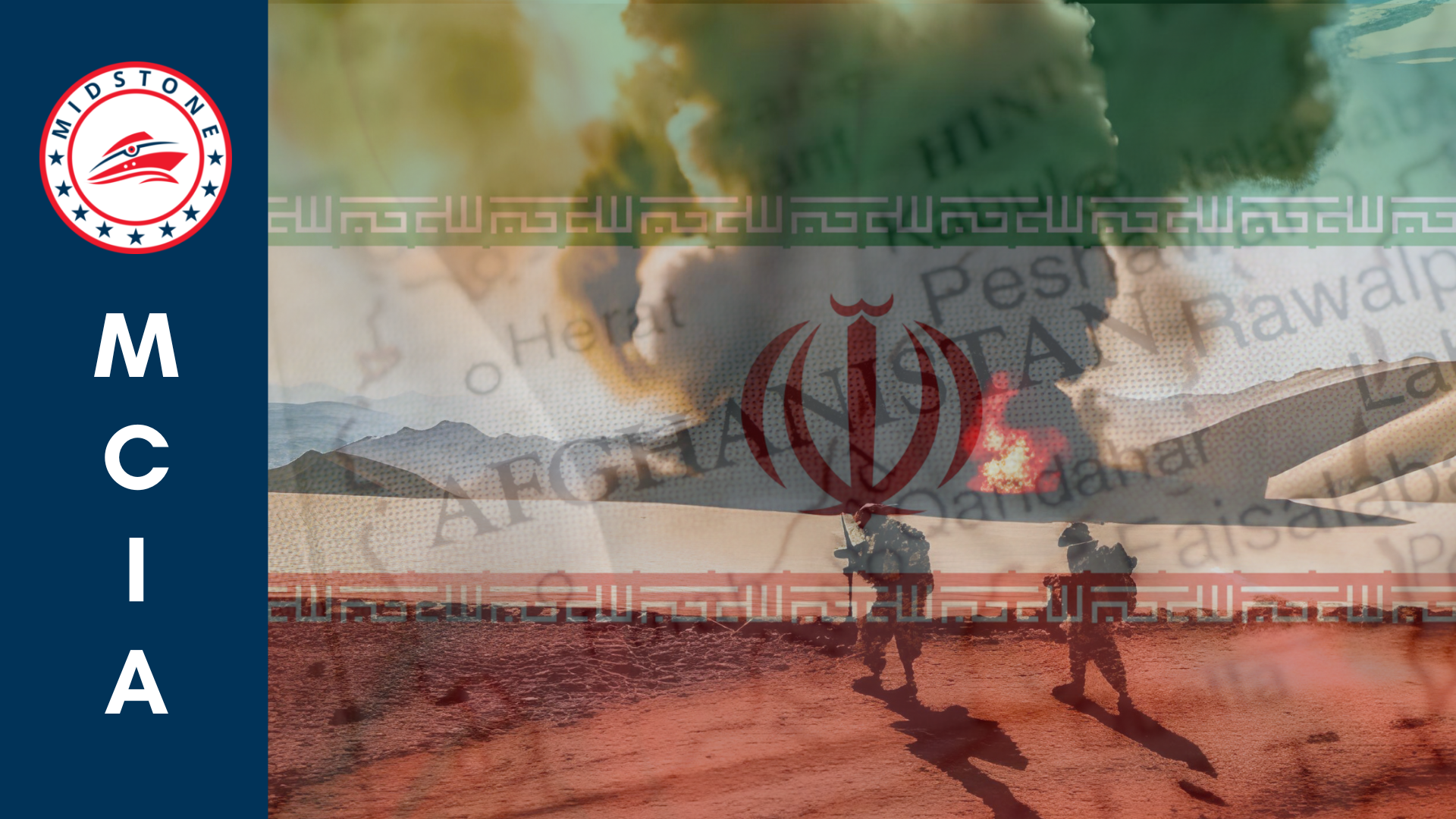
The clashes on May 27, 2023, between Taliban and Iranian forces along the Afghanistan-Iran border raise regional tensions. Stemming from a water treaty dispute, these clashes represent the first major violence between Iran and the Taliban since 2021. The article explores the events leading up to the clashes, the clashes themselves, and assesses whether they hold greater significance than initially portrayed.
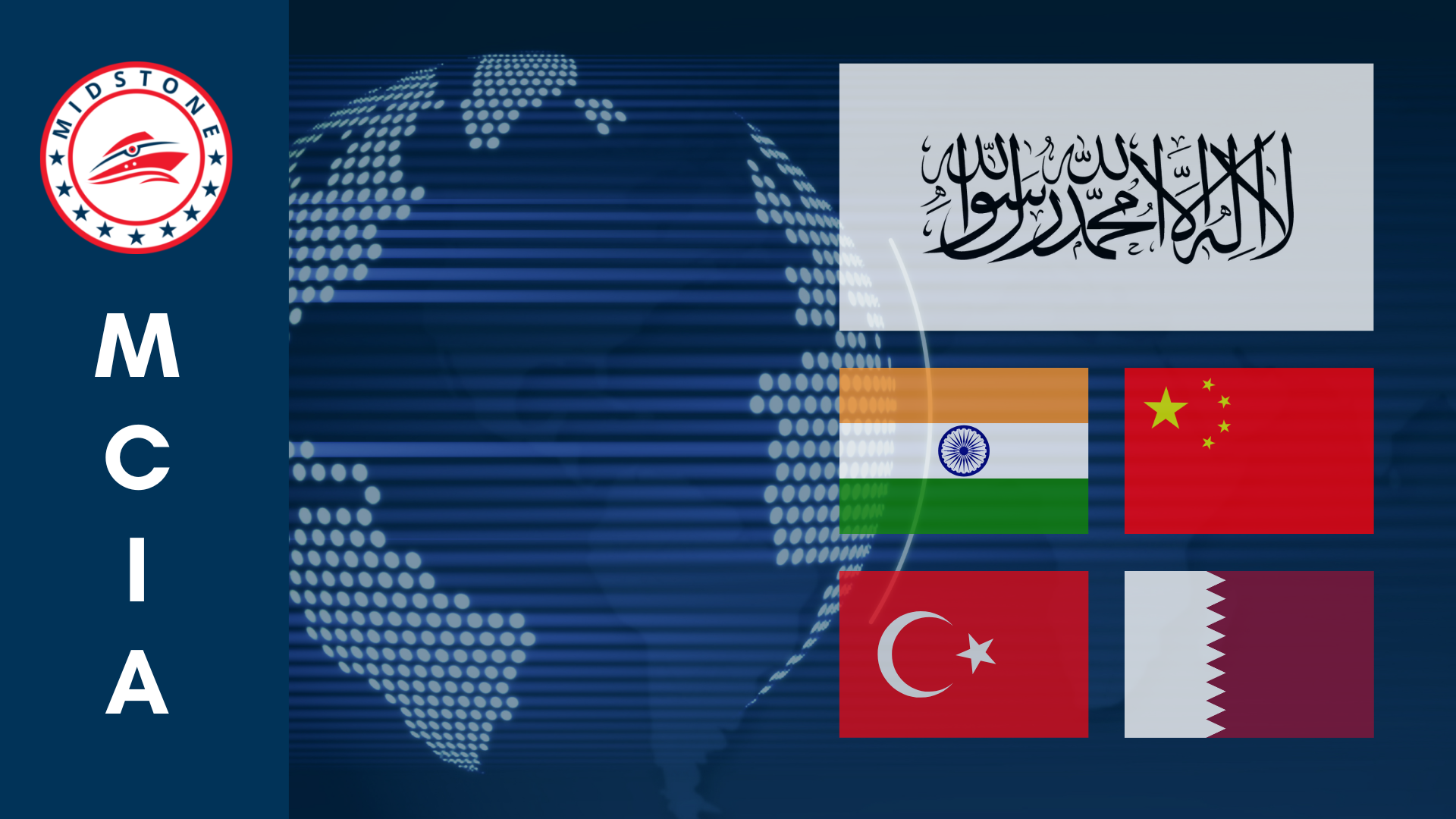
When the Taliban took power in Kabul in August 2021, many countries in the world expressed grave concern for the citizens of Afghanistan whose fate was sealed under the rule of a terrorist organization. About sixty countries published a joint statement expressing responsibility for human life, and their property, and restoring the Afghan people's sense of security. After about two decades of the Taliban fighting as an opposition to the Afghan government, which enjoyed the support of NATO and the United States, the organization returned to control the poor country and the war-torn country in South Central Asia.
Pakistan is in the global spotlight once again: catastrophic flooding caused by untimely and intense monsoon rains – six to seven times the usual volume, according to estimates – have submerged more than half the country’s landmass.
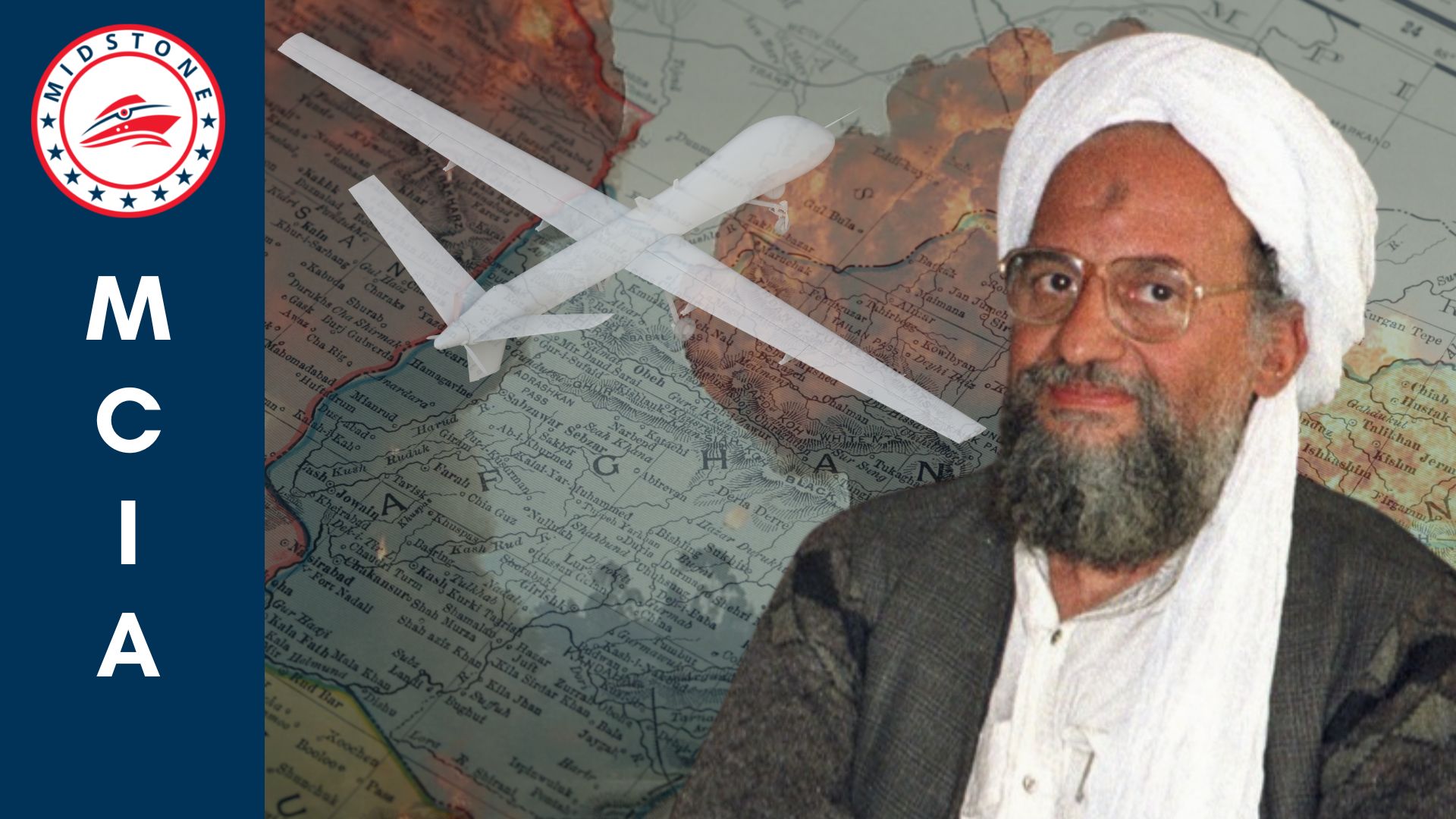
Pakistan faces a war-like situation on its western front, which was created by the Taliban's takeover in Afghanistan, which was hugely supported by Imran Khan who now has widespread support in Pakistan.
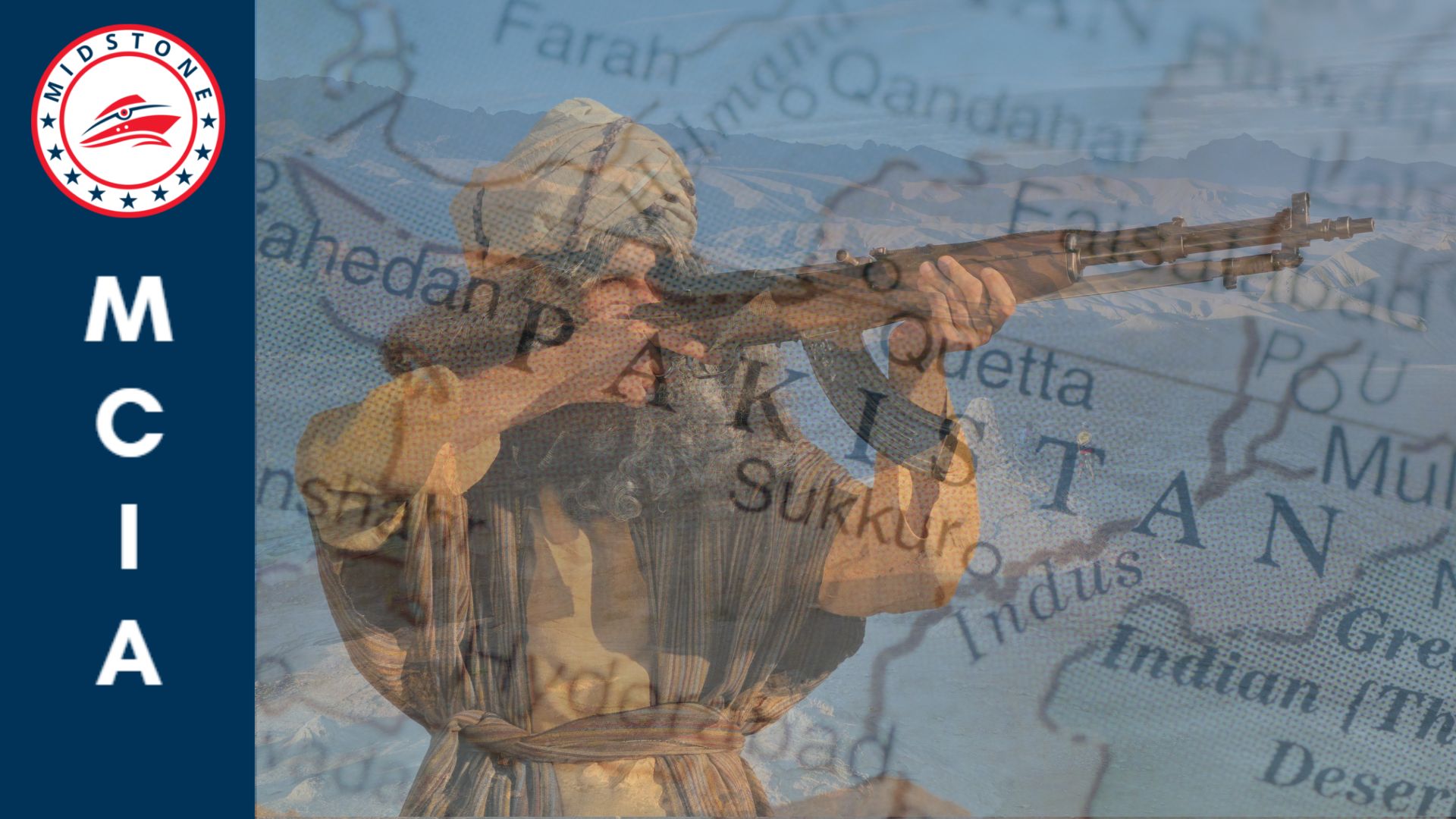
The Taliban takeover of Kabul in August 2021 was welcomed by Pakistani politicians and celebrated by the outlawed group Tehrik-i-Taliban Pakistan, also called the TTP.
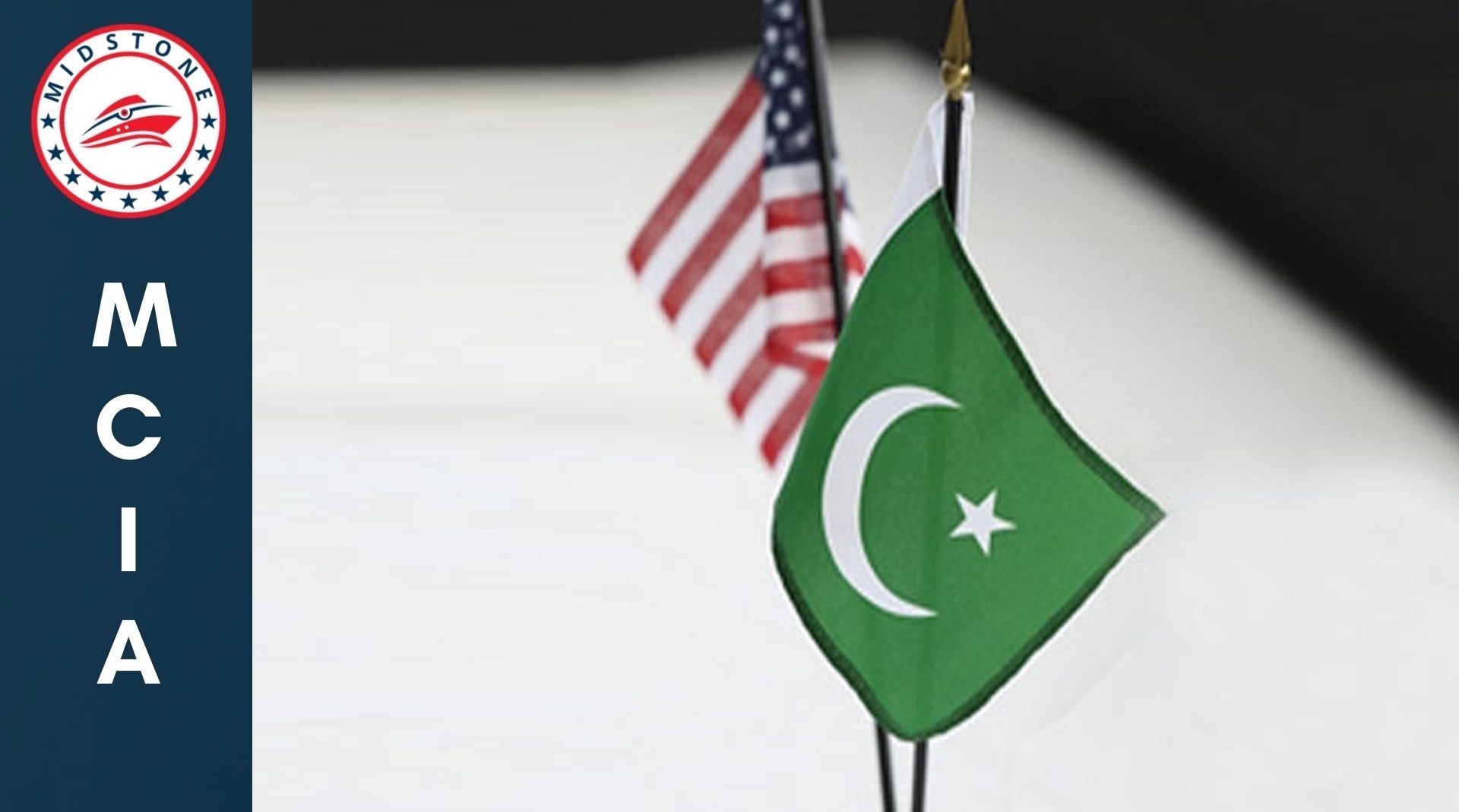
The new United States ambassador to Pakistan Donald Blome, a career member of the senior foreign service with the rank of Minister-Counselor, arrived in Islamabad to take charge on May 23. “Ambassador Donald Blome began his assignment at the United States Embassy in Islamabad today,” said a statement…
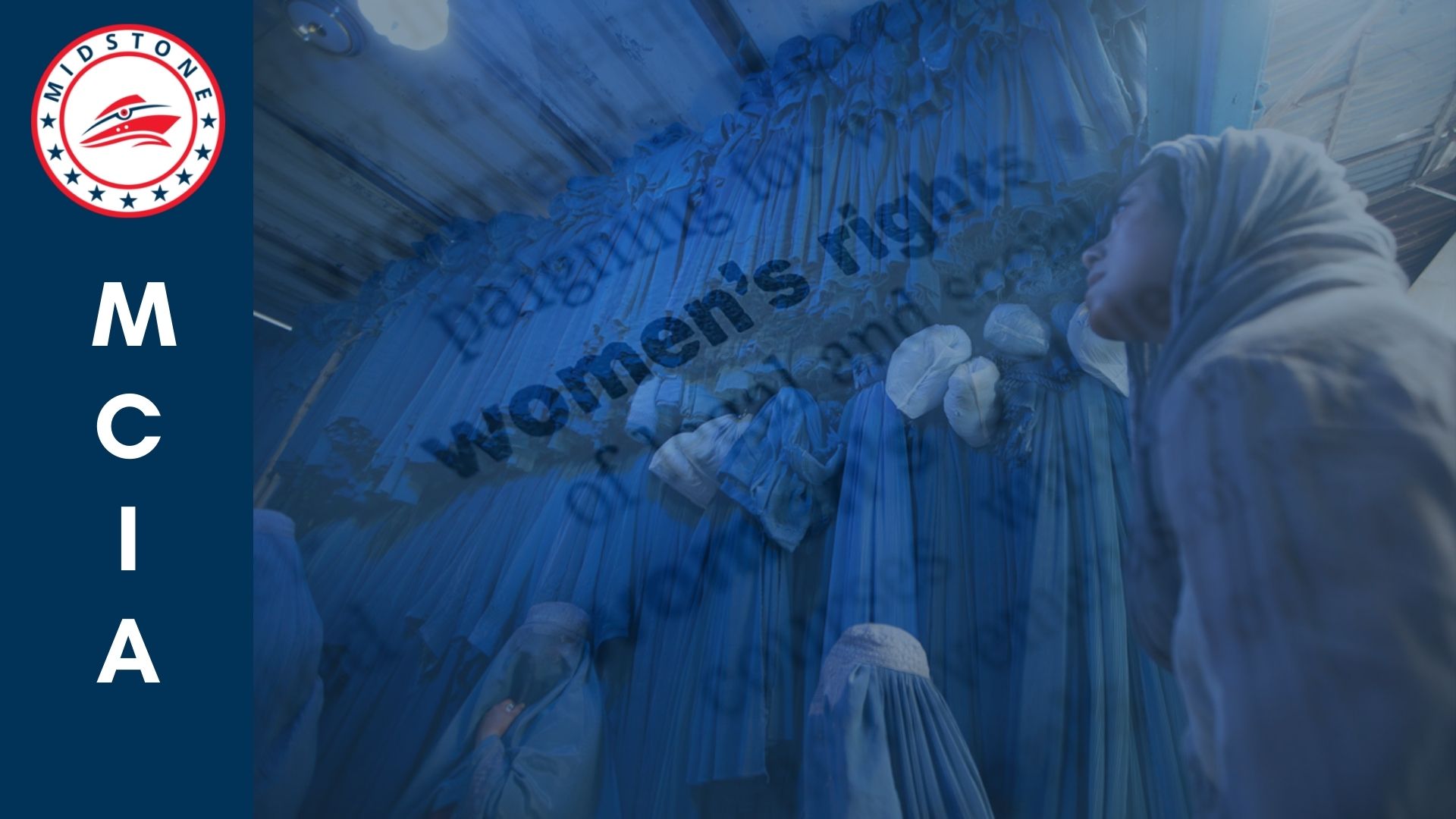
The Taliban announced on the 7th of May that women and girls must not leave their homes unless necessary and they should do so only with their whole body and face covered.
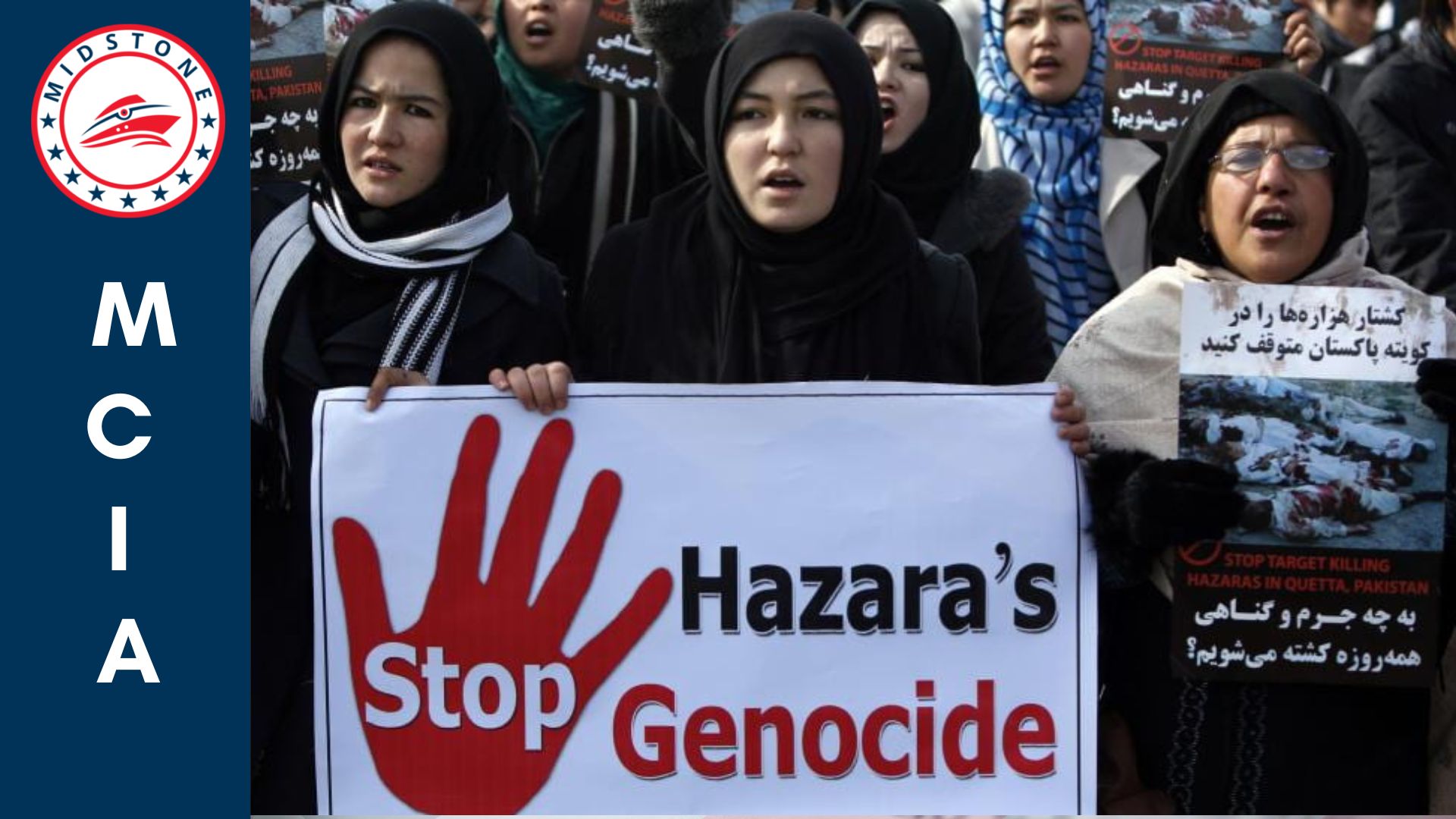
The Hazaras are one of the main ethnic and religious minority groups in Afghanistan, constituting around 20 per cent of the population. Hazaras have long been subjugated and subjected to discrimination and persecution due to their ethnic and religious identity.