

Pakistan’s terrorism challenge is widely recognised, but its structure is still routinely misunderstood. What Pakistan faces today is not simply the resurgence of Tehrik-i-Taliban Pakistan (TTP), but the consolidation of a broader militant ecosystem that has taken shape across the Afghan border since the Taliban’s return to power in 2021. Afghan territory now provides militant networks targeting Pakistan with survivability, recruitment access, and operational depth that allow them to regenerate even under sustained pressure. The result is not a temporary surge in violence, but the persistence of a system capable of continuously producing it.
The U.S.-Pakistan Counterterrorism Dialogue, co-chaired by Ambassador Elizabeth Richard from the U.S. Department of State and Ambassador Syed Haider Shah from Pakistan, highlights the ongoing and prospective cooperation between the two nations in addressing regional and global security challenges, specifically the threats posed by Tehreek-e-Taliban Pakistan (TTP) and ISIS-Khorasan.
The fall of Kabul was an eye-opener, imprinted for decades to come on the minds of the Afghan youth, as well as all of Afghanistan's pro-democratic forces; a democratic state turned into a theocratic regime governed by a few Taliban heads over a matter of days.
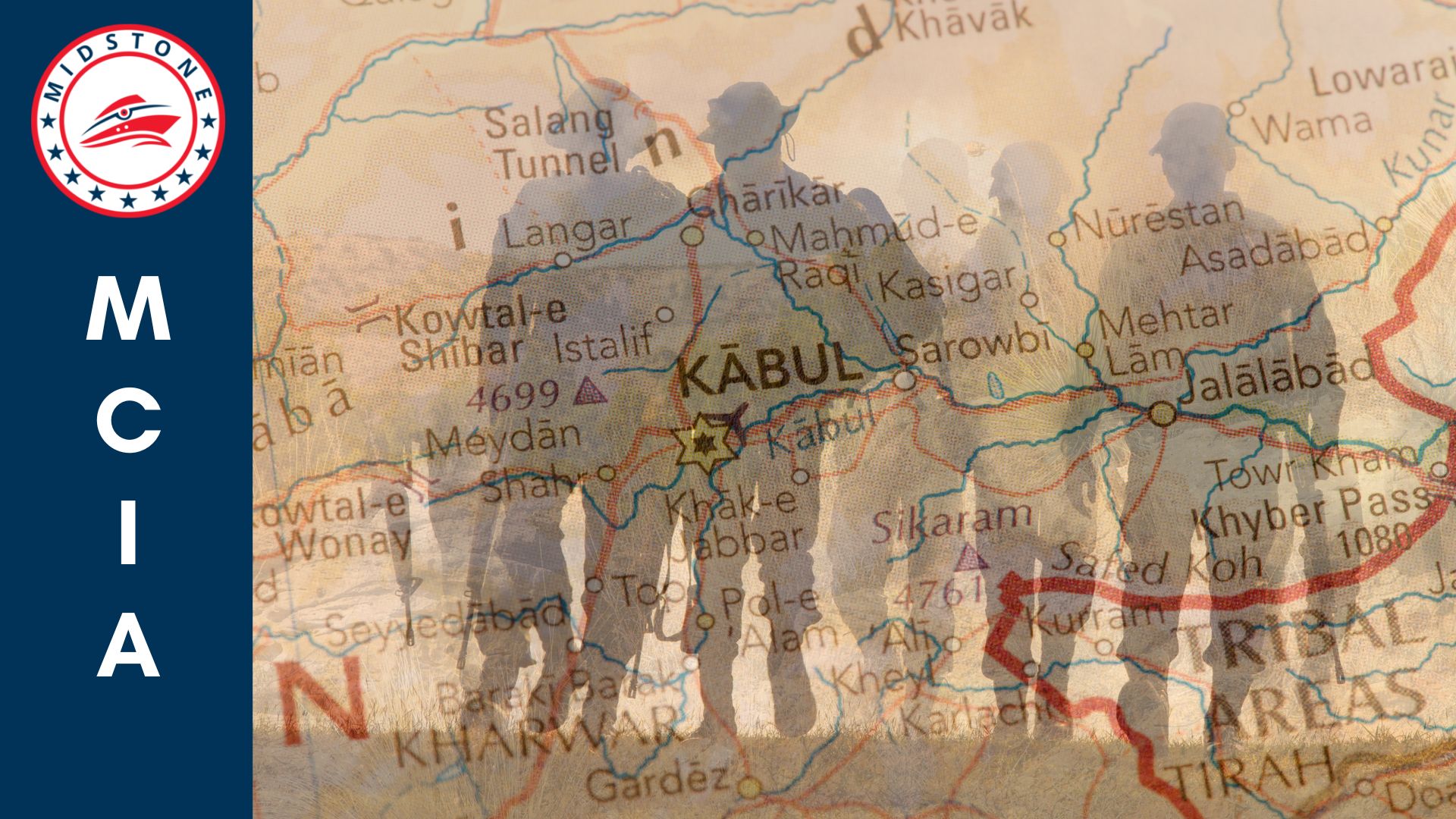
Tehreek-i-Taliban Pakistan (TTP) has ended its ceasefire, and it has ended it with a literal bang, or in fact several bangs.