

Pakistan’s terrorism challenge is widely recognised, but its structure is still routinely misunderstood. What Pakistan faces today is not simply the resurgence of Tehrik-i-Taliban Pakistan (TTP), but the consolidation of a broader militant ecosystem that has taken shape across the Afghan border since the Taliban’s return to power in 2021. Afghan territory now provides militant networks targeting Pakistan with survivability, recruitment access, and operational depth that allow them to regenerate even under sustained pressure. The result is not a temporary surge in violence, but the persistence of a system capable of continuously producing it.
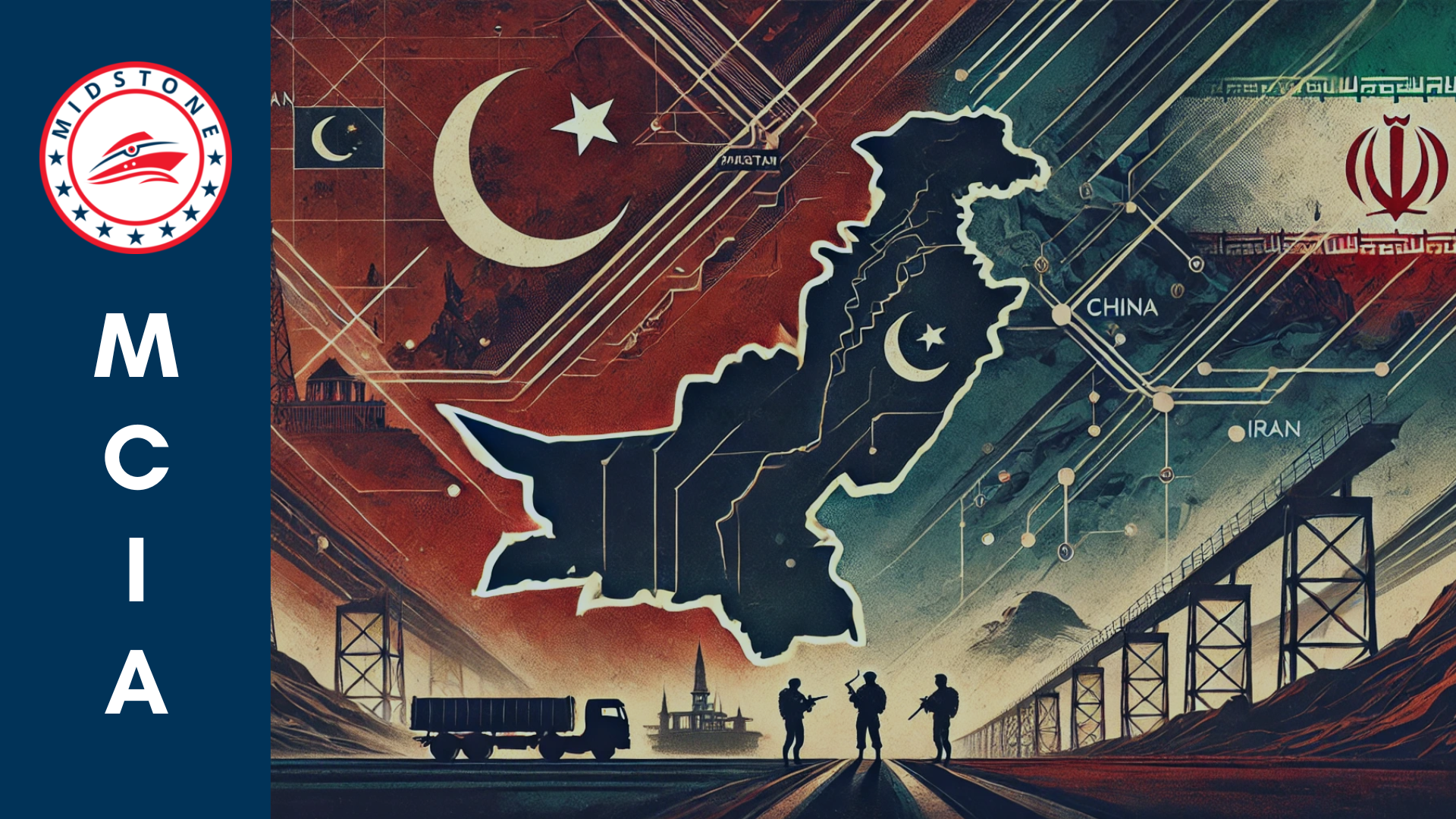
As attacks on Chinese nationals in Pakistan intensify, Islamabad faces tough choices about its relationship with Beijing and its own strategic sovereignty. Balancing security imperatives with regional pressures, Pakistan confronts harsh realities: can it safeguard Chinese interests without sacrificing autonomy, or will growing dependence reshape its alliances? This strategic recalibration may redefine Pakistan’s role in a region where China’s expectations and Islamabad’s security challenges continue to clash.
Ghulam Murtaza Syed, also known as G. M. Syed, was an influential Sindhi politician and is considered as the founder of Sindhi ethno-nationalism. He had formed Sindh Progressive Party in 1947. The main purpose of the organisation was to oppose the Two Nation Theory and to advance the struggle for provincial autonomy within a socialist framework.