
Pakistan’s terrorism challenge is widely recognised, but its structure is still routinely misunderstood. What Pakistan faces today is not simply the resurgence of Tehrik-i-Taliban Pakistan (TTP), but the consolidation of a broader militant ecosystem that has taken shape across the Afghan border since the Taliban’s return to power in 2021. Afghan territory now provides militant networks targeting Pakistan with survivability, recruitment access, and operational depth that allow them to regenerate even under sustained pressure. The result is not a temporary surge in violence, but the persistence of a system capable of continuously producing it.

As U.S. forces reinforce the region and President Trump escalates deterrent messaging, regime-linked discourse in Tehran has increasingly focused on potential response scenarios. Senior figures have openly threatened a preemptive strike. Iran’s available options center primarily on its missile and drone capabilities, but also include asymmetric measures such as targeted assassinations in Israel and the activation of sleeper cell operatives inside the United States.
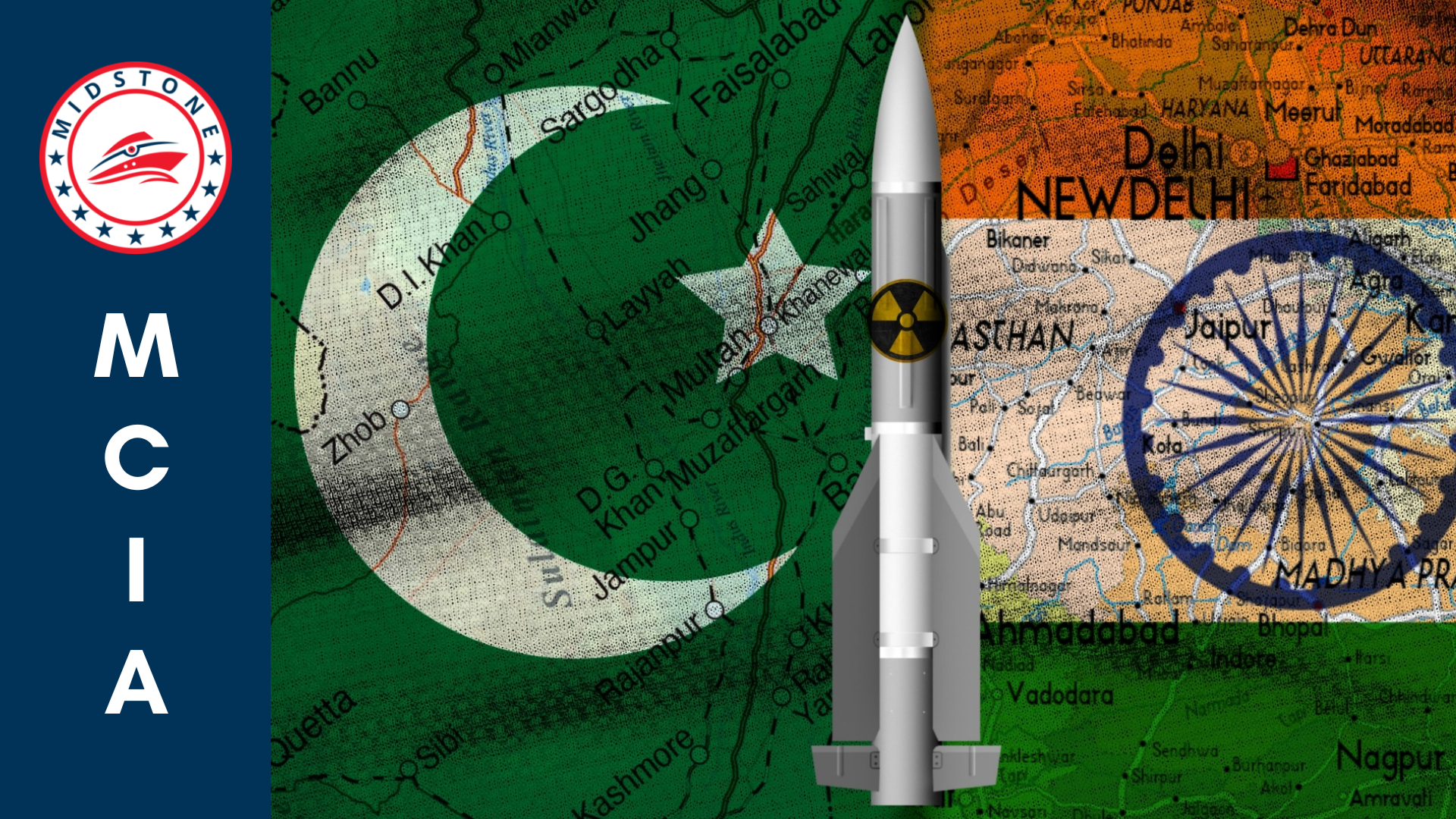
India’s recent strikes across multiple Pakistani cities, including Lahore and Rawalpindi, marked the first deep incursion since 1971. Pakistan responded by claiming to have downed several Indian jets, including a Rafale, raising questions about India’s tactical capabilities. Meanwhile, China is using the conflict to test its advanced weaponry against India’s Western defence systems, while the US closely monitors the S-400’s performance in active combat.
The reports that the American Private Military Company Bancroft was having conversations with President Toudene of the Central African Republic regarding a potential move into the country.
The situation in the Great Lakes region of Africa is one of the major Geopolitical Risks that will continue into 2024. We saw evidence of that on December 23, 2023, with another attack taking place.
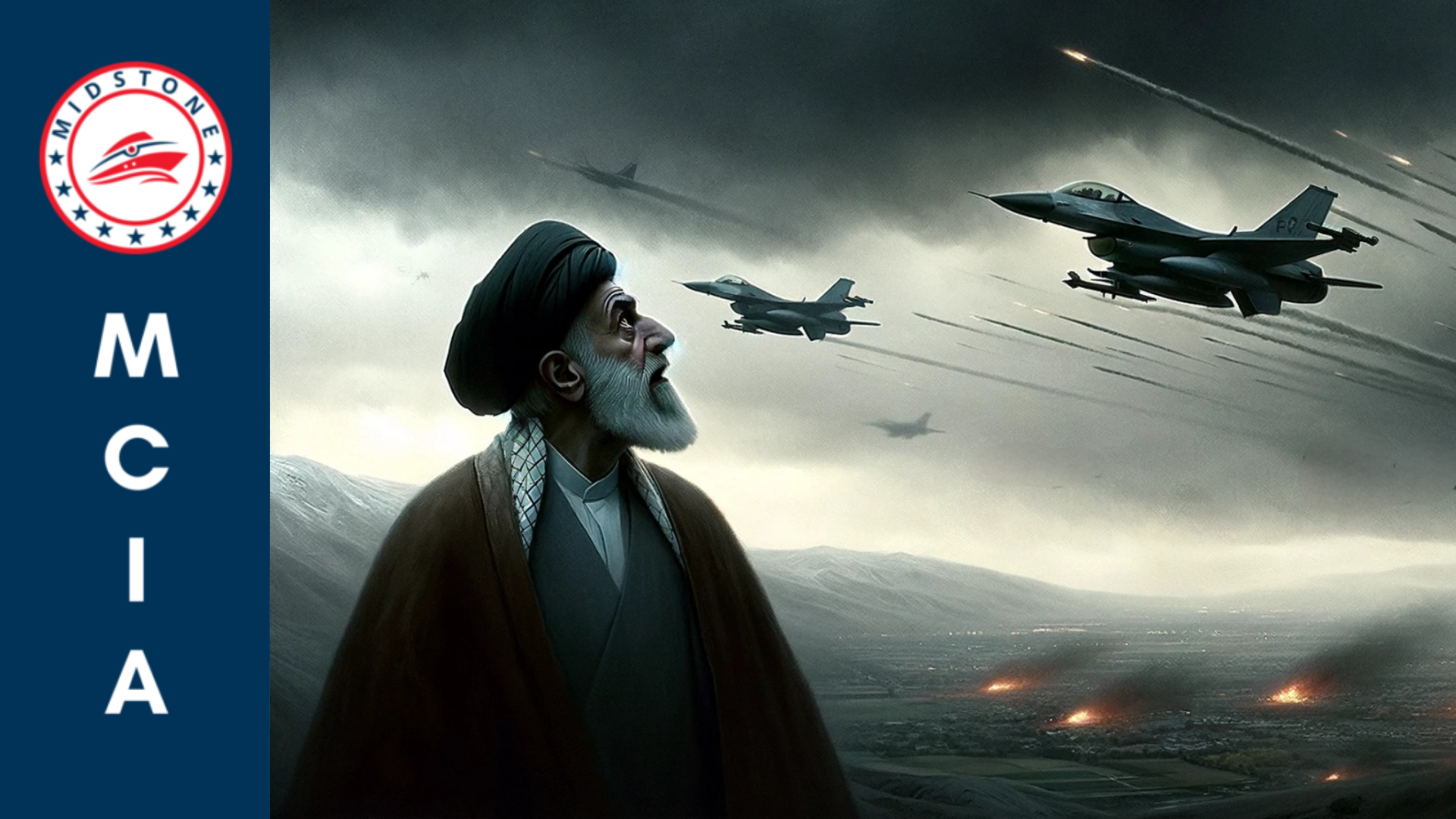
Iran's recent military actions across the Middle East represent a significant escalation in regional tensions. An attack on Pakistan, however, represents a new level of escalation.
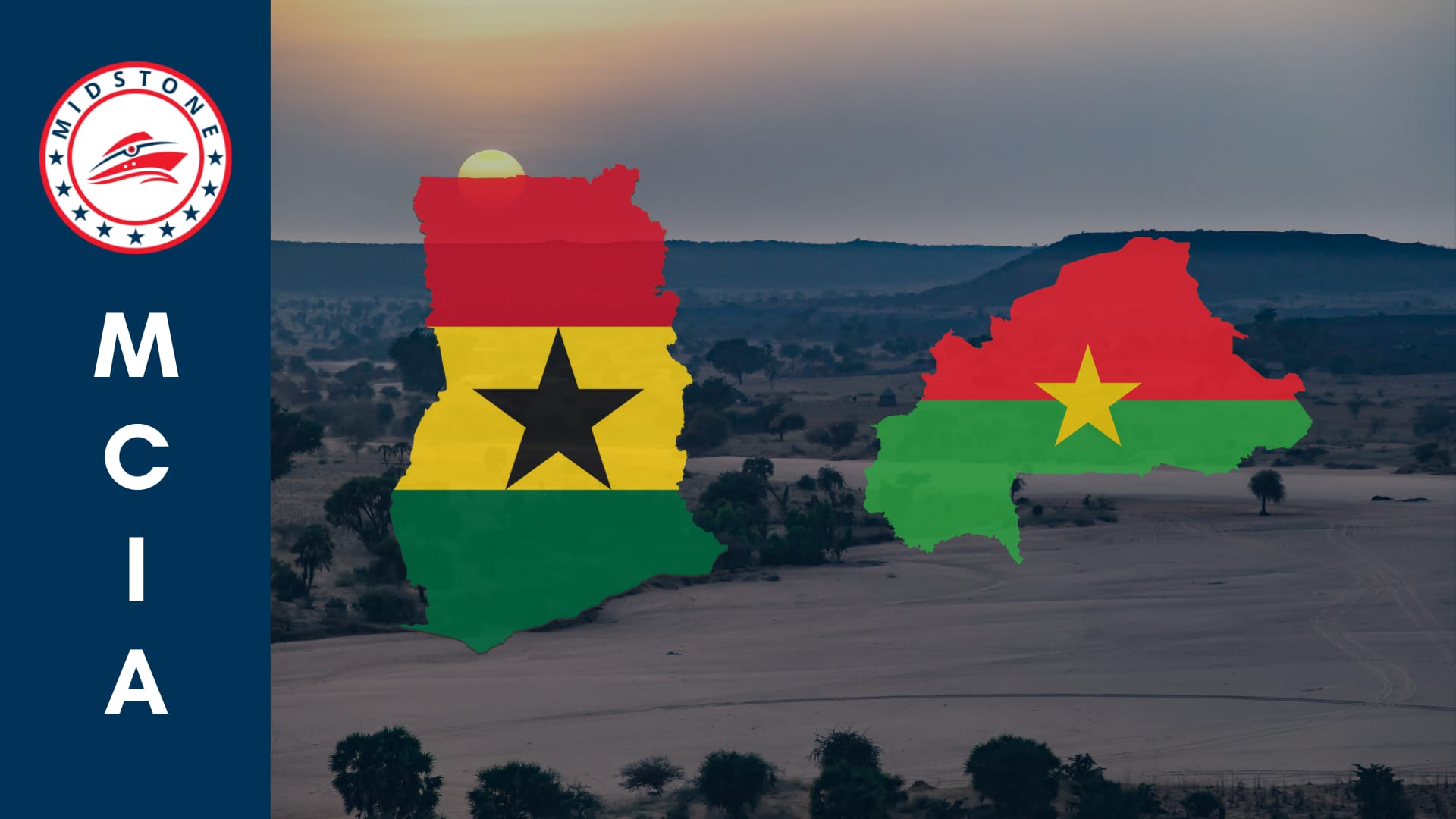
The security challenges in the Sahel are continuing the trajectory of moving southwards towards the Gulf of Guinea. And it appears that a new flashpoint may be arising as well.
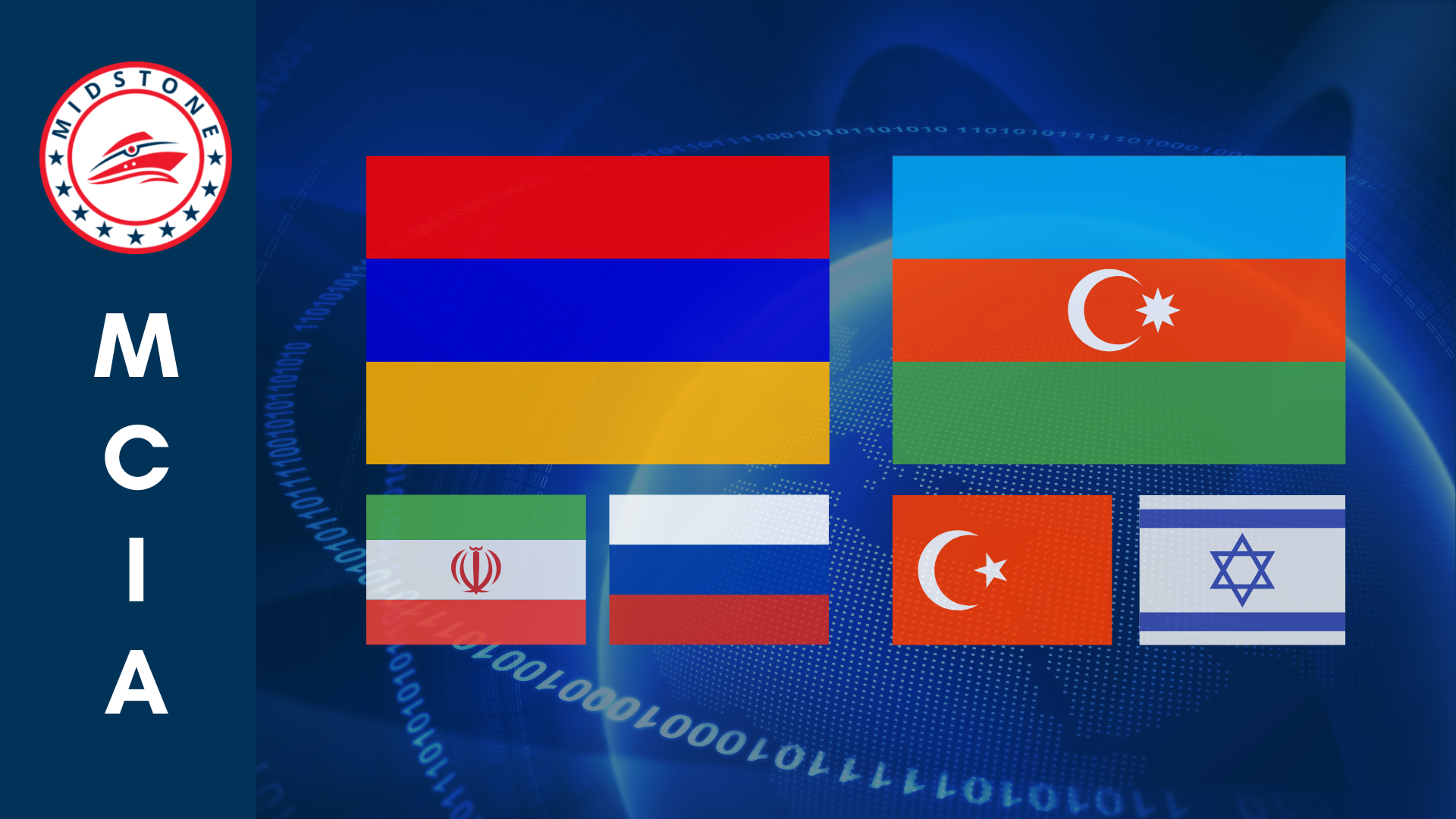
In this article, we explore the Nagorno-Karabakh conflict, a regional power struggle involving Armenia, Azerbaijan, and major powers like Iran, Israel, Turkey, Russia, and the United States. We examine the complex strategic interests, alliances, and rivalries that shape this ongoing dispute and its far-reaching implications.
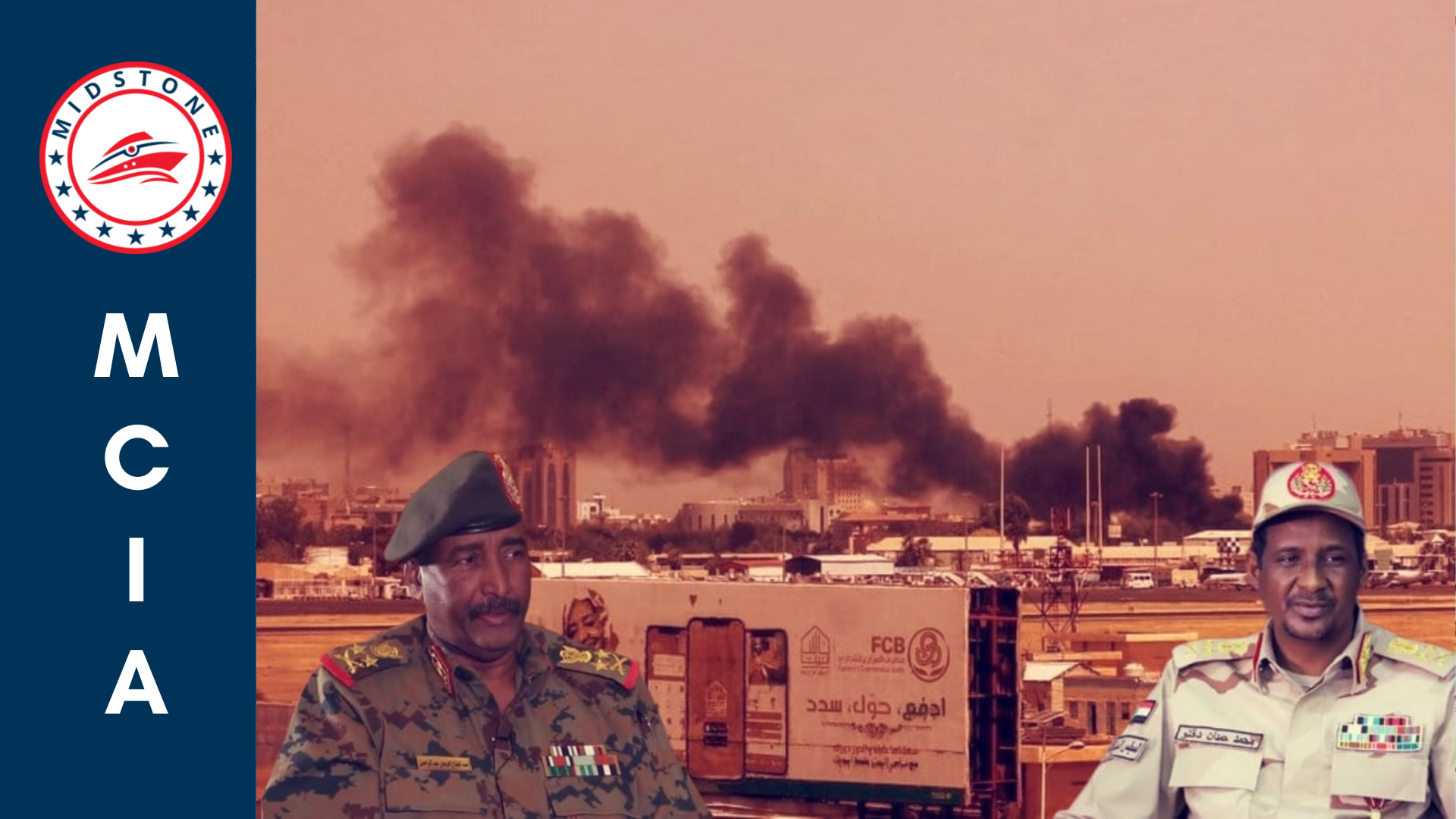
April 15th, 2023, was the date of an event that was shocking but sadly not surprising. Gunfire erupted between two factions of the Sudanese military: the Army and the Rapid Support Forces (RSF). So, how did we get here?